
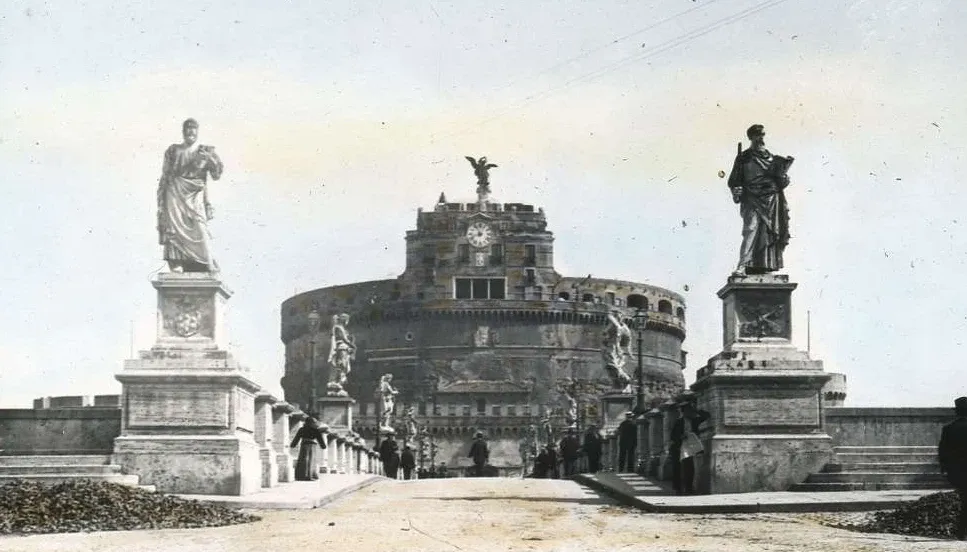
History of Castel Sant'Angelo
Construction of Castel Sant'Angelo began around 134 AD when Emperor Hadrian ordered architect Demetriano to build a monumental tomb for himself and the imperial dynasty. The mausoleum was completed in 139 AD under his successor Antoninus Pius, who placed Hadrian's ashes inside.
Support when you need it
Customer support to help you with everything you need from 8:00 to 18:00.
Fast online booking
Select your ticket for your needs and preferences and avoid the lines booking here.
Top attraction in Rome
Ascent through the fortress levels to observe the architectural history and the evolution of the city.
When was the construction of Castel Sant'Angelo started?
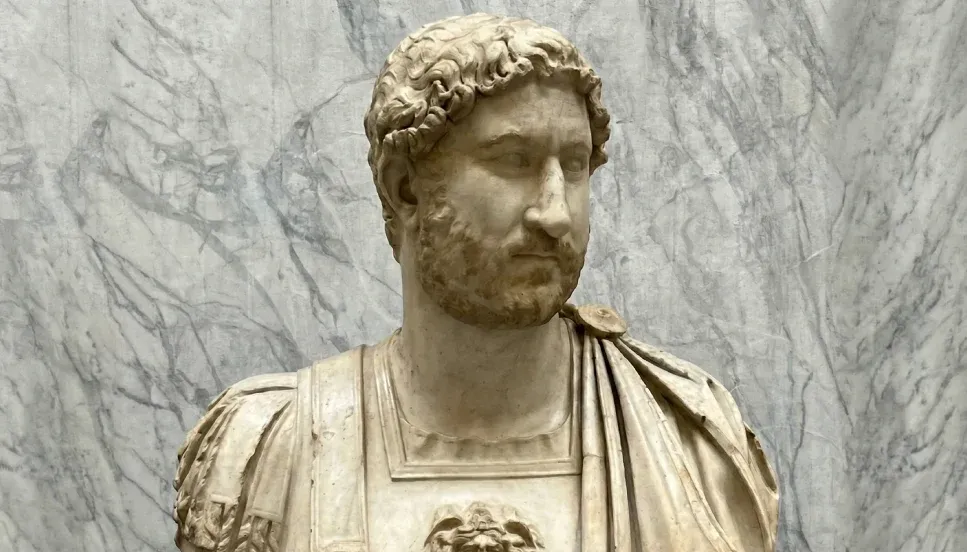
When was the construction of Castel Sant'Angelo started?
The construction of Castel Sant'Angelo began in 134 AD on the right bank of the Tiber River. Emperor Hadrian selected the Ager Vaticanus district for the site and appointed the architect Demetriano to direct the project. The labor continued for five years, during which workers erected a massive square base and a stone cylinder.
Although Hadrian initiated the project, he died in 138 AD before the exterior masonry reached completion. His successor, Antoninus Pius, assumed control of the site and finalized the building in 139 AD. The project included the simultaneous erection of the Pons Aelius, a stone bridge that provided a direct path from the city center to the entrance.
Who built Castel Sant'Angelo and why?
Emperor Hadrian commissioned the monument to serve as a dynastic tomb for himself and his legal successors. He directed Demetriano to design a rotunda that would hold the remains of the ruling family, as the previous imperial tomb, the Mausoleum of Augustus, had reached full capacity.
The building functioned as a statement of political continuity and permanence. Within the interior, designers included a spiral ramp leading to a central vault where officials placed the funerary urns. Between 139 AD and 217 AD, the site received the ashes of multiple emperors, including Marcus Aurelius and Septimius Severus. This funeral function ended in the fifth century when authorities integrated the walls into the city's military defense system.
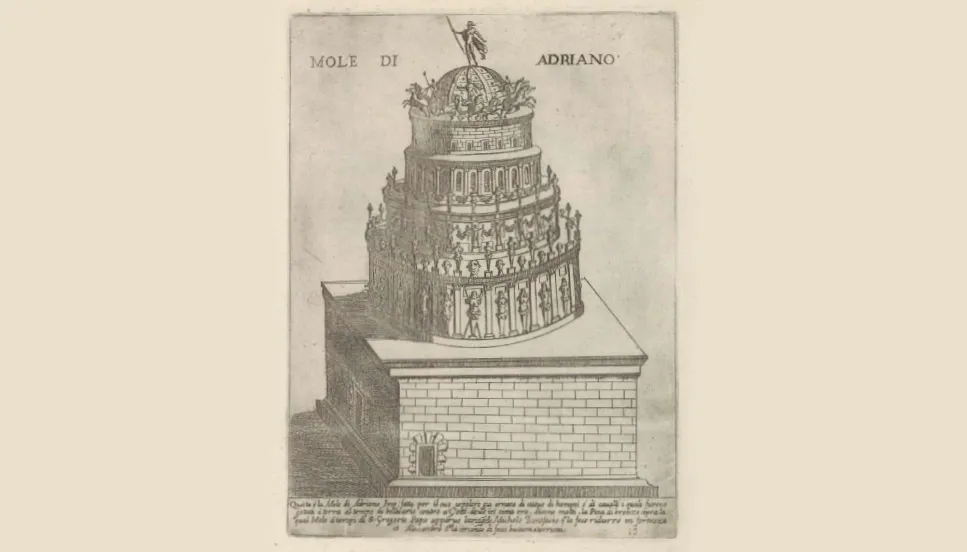
What did the original mausoleum look like?
The original Mausoleum of Hadrian featured a classical Roman design far removed from today’s fortress. The structure consisted of three tiered sections: a massive square base encased in Carrara marble, a central cylindrical drum, and a smaller crowning cylinder. Atop the summit, a roof garden with evergreen trees surrounded a monumental bronze quadriga of the emperor.
Architecturally, the design followed Vitruvian principles, perfectly nesting a circle within a square. Internally, a unique spiral ramp—the rampa elicoidale—ascended to the central burial chamber. This core area, known as the Urn Hall, served as the final resting place for the imperial dynasty’s remains.
How old is Castel Sant'Angelo?
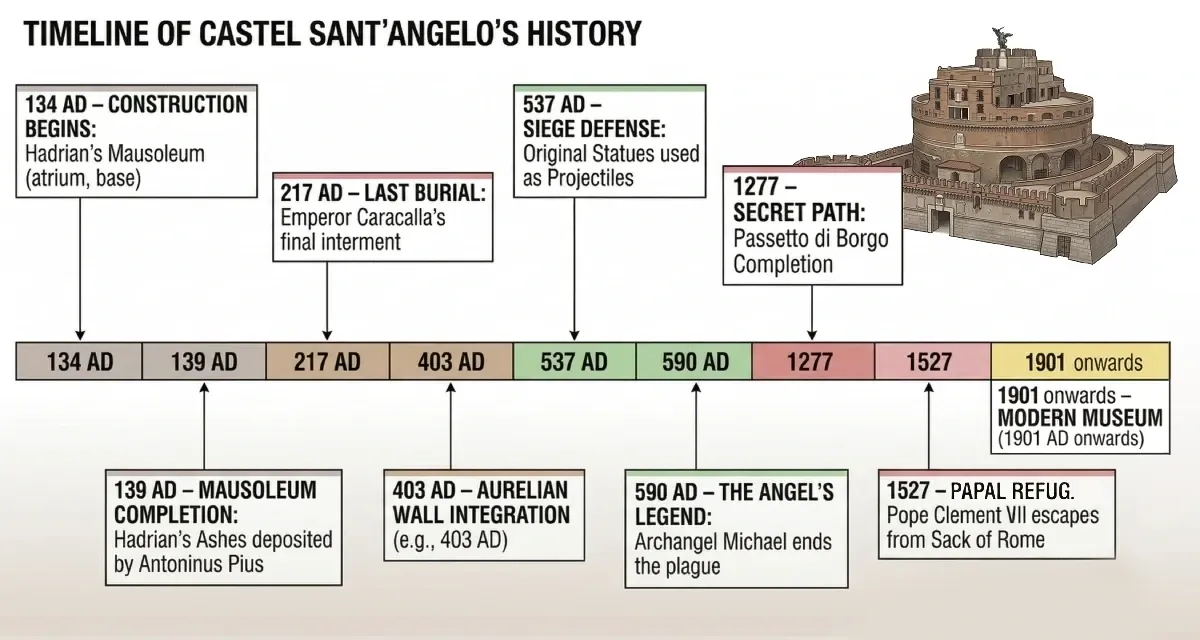
As of 2026, Castel Sant'Angelo stands as a monumental witness to nearly 1,900 years of history, with its age ranging from 1,887 to 1,892 years depending on whether one counts from the start of construction in 134 AD or its completion in 139 AD.
The structure served as an imperial mausoleum until 217 AD, when Caracalla became the final emperor interred within its walls. However, its purpose shifted dramatically in 403 AD when Emperor Honorius integrated it into the Aurelian Walls, transforming the tomb into a military fortress. This defensive role led to the scattering of imperial ashes during the Visigoth sack of 410 AD and even saw defenders hurl original Roman statuary at attacking Goths in 537 AD.
The building’s identity continued to evolve throughout the Middle Ages and the Renaissance, beginning with the 590 AD legend of Pope Gregory I, whose vision of the Archangel Michael bestowed the castle with its current name. Its strategic importance to the papacy was solidified in 1277 with the completion of the Passetto di Borgo, an elevated escape route that famously allowed Pope Clement VII to find refuge during the Sack of Rome in 1527. Following centuries of grit and grandeur, the fortress's long tenure as a military site finally concluded in 1901, marking its transition into the iconic museum and historical landmark it remains today.
What has Castel Sant'Angelo been used for over the centuries?
The building has performed several distinct functions throughout its historical evolution:
- Imperial Mausoleum (139 AD – c. 217 AD): Originally built as the final resting place for Emperor Hadrian and the Antonine dynasty; Caracalla was the last emperor interred here.
- Military Fortress (Starting 403 AD): Integrated into the Aurelian Walls by Emperor Honorius to serve as a defensive stronghold on the Tiber River.
- Papal Refuge and Residence (Middle Ages – Renaissance): Used by popes as a safe haven during times of danger, connected to the Vatican by the Passetto di Borgo in 1277 and enhanced with lavish apartments.
- Papal Prison: Served for centuries as a high-security prison for political enemies and rival aristocrats; the original cells are still visible today.
- National Museum (Since 1901): Currently functions as the Museo Nazionale di Castel Sant'Angelo, showcasing Renaissance art, military artifacts, and historical furniture.
How did Castel Sant'Angelo get its name?
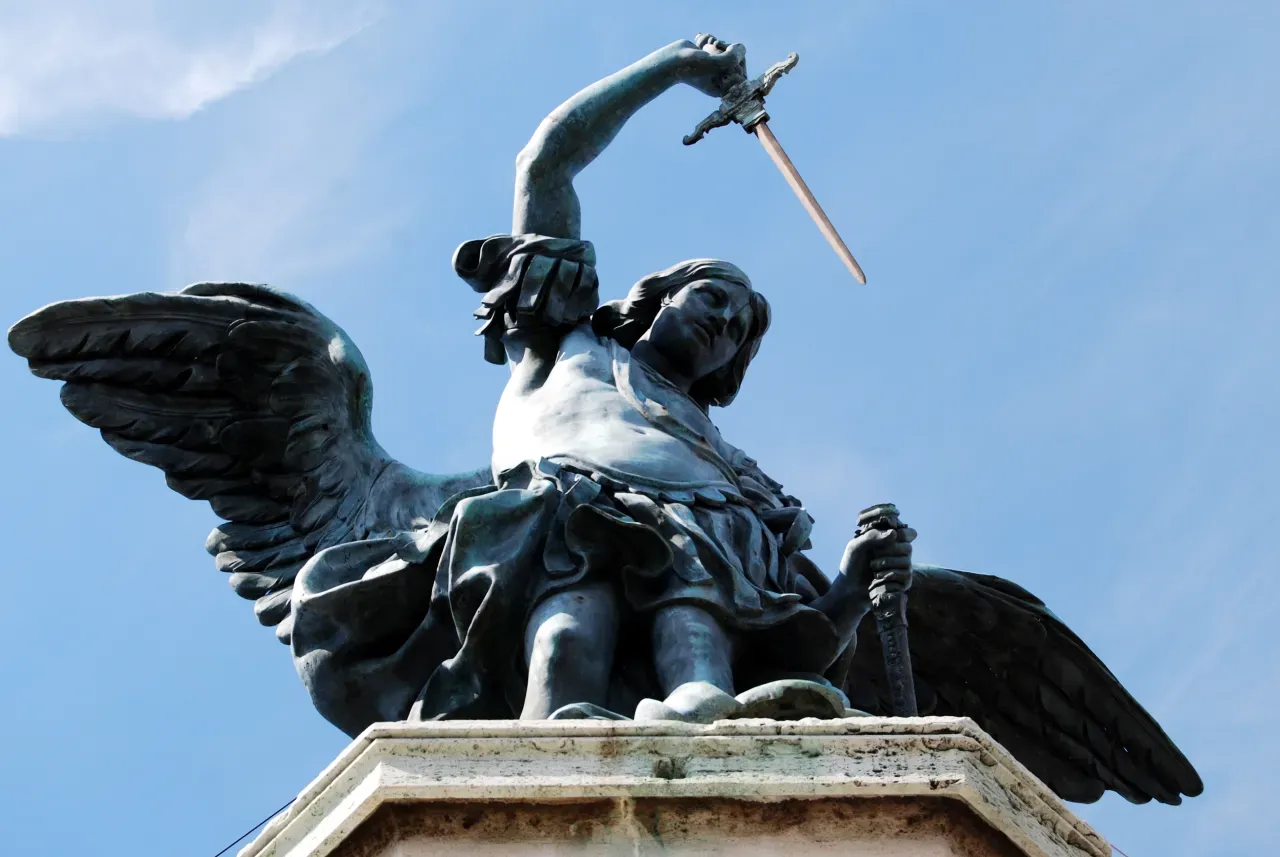
How did Castel Sant'Angelo get its name?
Its current name derives from a legend dating back to 590 AD during a devastating plague. According to tradition, Pope Gregory I led a penitential procession through Rome and witnessed a vision of the Archangel Michael atop the fortress. The angel reportedly sheathed a bloody sword, signifying the end of the epidemic.
Gregory interpreted this as a divine sign, leading to the construction of a chapel at the summit. Over time, the structure became known as Castel Sant'Angelo. A bronze statue of the Archangel Michael remains on the roof today, commemorating this legendary vision and the building's transition from a tomb to a celestial landmark.
Who is buried in Castel Sant'Angelo?
The mausoleum served as the burial place for Roman emperors and their families for approximately 80 years. The recorded burials include:
| Dynasty | Nerva-Antonine |
|---|---|
| Person(s) Interred | Lucius Aelius Caesar |
| Death Year | 138 AD |
| Historical Note | Hadrian's first adopted son; first to be placed in the vault |
| Dynasty | Nerva-Antonine |
|---|---|
| Person(s) Interred | Hadrian & Vibia Sabina |
| Death Year | 138 AD |
| Historical Note | The Emperor for whom the monument was built |
| Dynasty | Nerva-Antonine |
|---|---|
| Person(s) Interred | Antoninus Pius & Faustina the Elder |
| Death Year | 161 AD |
| Historical Note | The successor who completed the construction |
| Dynasty | Nerva-Antonine |
|---|---|
| Person(s) Interred | Marcus Aurelius |
| Death Year | 180 AD |
| Historical Note | The famous "Philosopher King" |
| Dynasty | Nerva-Antonine |
|---|---|
| Person(s) Interred | Commodus |
| Death Year | 192 AD |
| Historical Note | The son of Marcus Aurelius |
| Dynasty | Severan |
|---|---|
| Person(s) Interred | Septimius Severus & Julia Domna |
| Death Year | 211 AD |
| Historical Note | Founders of the Severan dynasty |
| Dynasty | Severan |
|---|---|
| Person(s) Interred | Geta |
| Death Year | 211 AD |
| Historical Note | Murdered by his brother Caracalla |
| Dynasty | Severan |
|---|---|
| Person(s) Interred | Caracalla |
| Death Year | 217 AD |
| Historical Note | The last emperor officially buried in the mausoleum |
The funerary urns were originally housed in what is now known as the Treasury Room, deep within the building's core. These urns and their contents were scattered during the Visigoth Sack of Rome in 410 AD. An unusual remnant survived: the capstone of a funerary urn, likely Hadrian's own, made its way to Saint Peter's Basilica, where it covered the tomb of Emperor Otto II before being incorporated into a Renaissance baptistery.