Facts about Castel Sant'Angelo
Castel Sant'Angelo stands as one of Rome's most versatile landmarks, evolving from an imperial tomb into a fortified papal residence and a modern museum. This compilation of facts about Castel Sant'Angelo explores its architectural transitions, the legends defining its identity, and its presence in art and history.
Support when you need it
Customer support to help you with everything you need from 8:00 to 18:00.
Fast online booking
Select your ticket for your needs and preferences and avoid the lines booking here.
Top attraction in Rome
Ascent through the fortress levels to observe the architectural history and the evolution of the city.
History of Castel Sant'Angelo
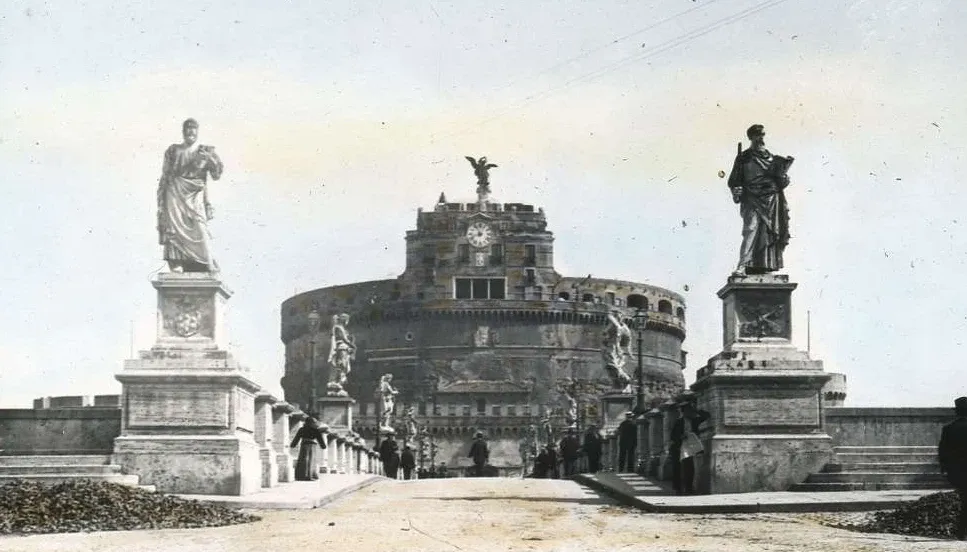
History of Castel Sant'Angelo
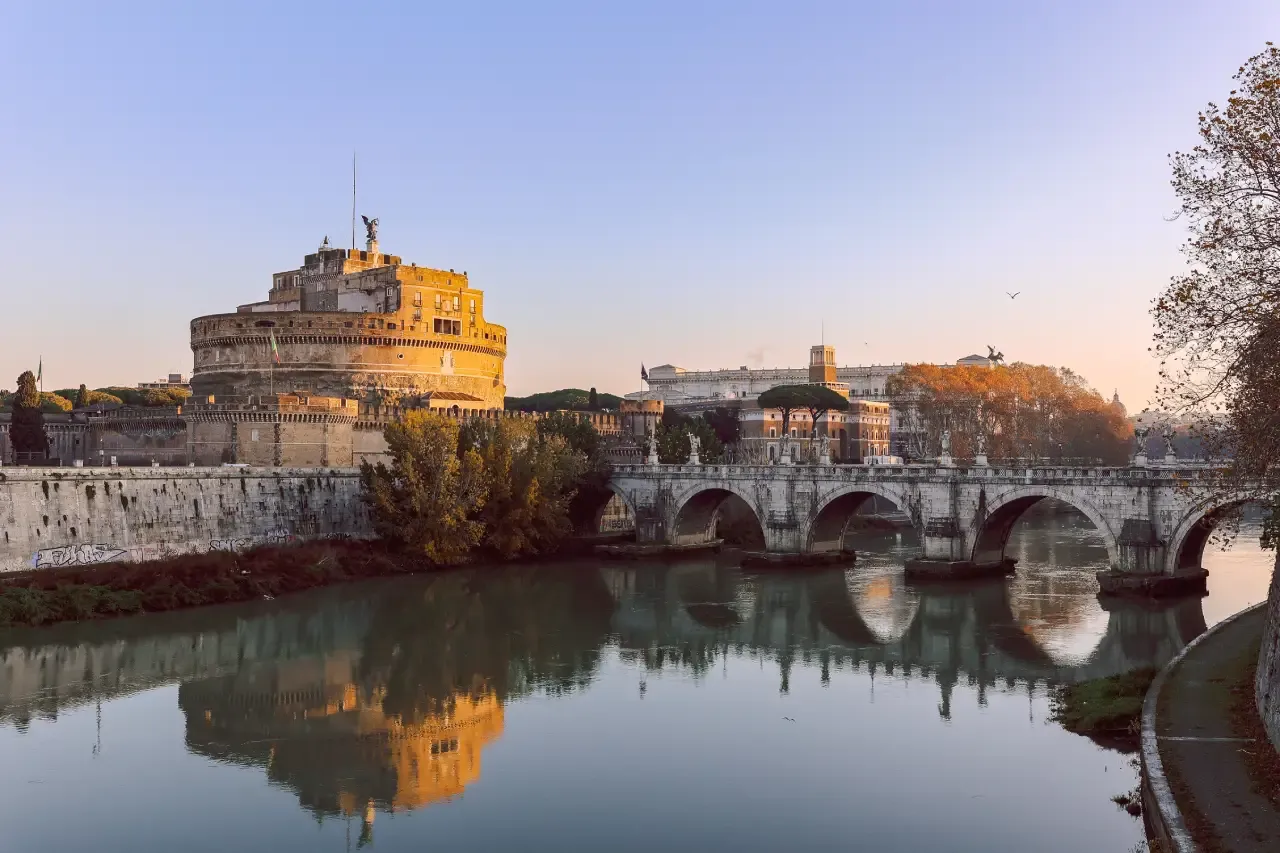
Emperor Hadrian commissioned this structure in 135 AD to serve as a mausoleum for himself and his successors. The building functioned as a dynastic tomb until the late 3rd century when officials integrated it into the Aurelian Walls for defensive purposes. During the Middle Ages, the papacy transformed the mausoleum into a fortress to provide security during times of political unrest.
Successive popes added luxurious apartments, bastions, and prisons, reflecting the site's shift from a place of rest to a center of power. Today, the monument operates as a national museum, showcasing nearly two millennia of Roman structural evolution and military engineering.
From Mausoleum to Museum
Captives and historic escapes
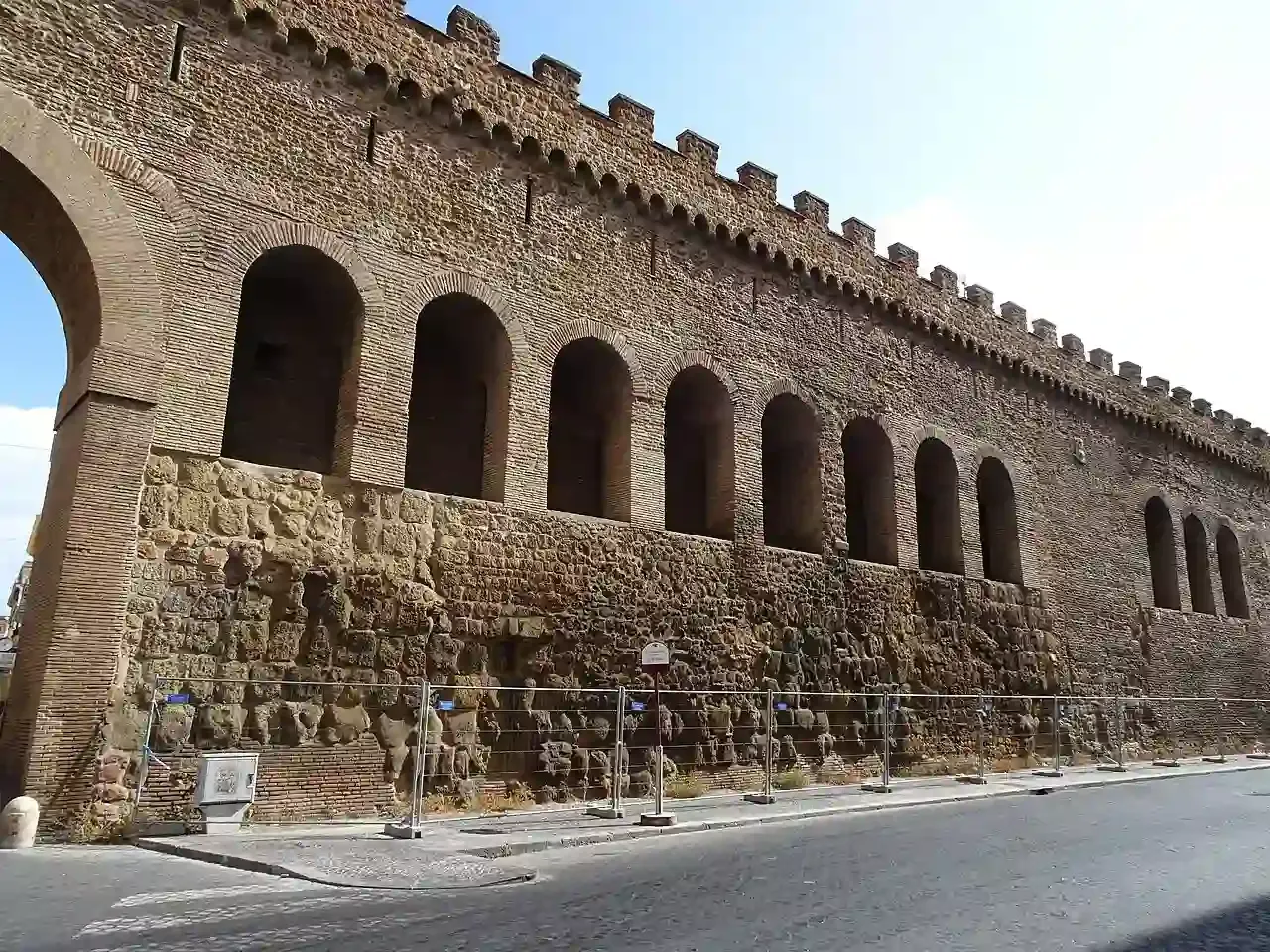
The Passetto di Borgo
The Passetto di Borgo is an elevated fortified corridor measuring approximately 800 meters in length. Built in 1277 by Pope Nicholas III, it links the Vatican Palaces directly to the bastions of the castle. This secret passage served as a critical escape route for pontiffs facing immediate physical danger.
Historically, Pope Alexander VI utilized the path during the French invasion in 1494, and Pope Clement VII escaped through it during the Sack of Rome in 1527. The corridor represents the strategic necessity of the castle as the ultimate sanctuary for the papacy, ensuring a safe transit between the spiritual center of St. Peter’s and the military security of the fortress.
Photo: “Passetto di Borgo” by Hugo DK.
The Ponte Sant'Angelo
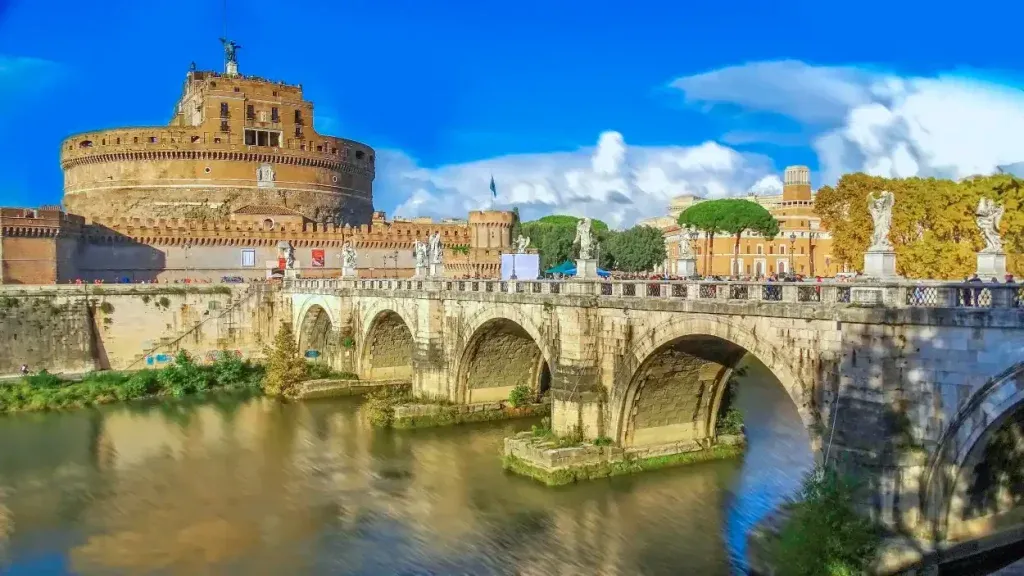
The Ponte Sant'Angelo
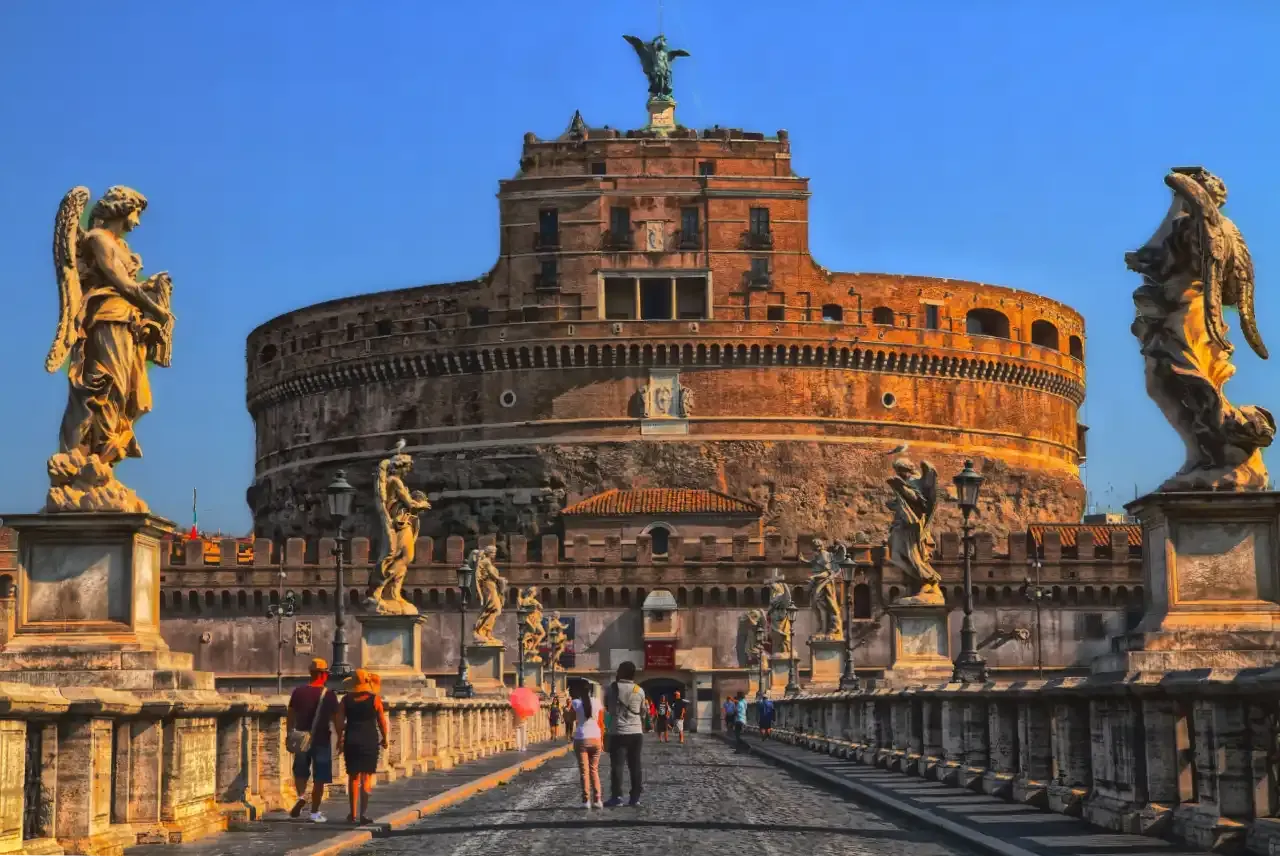
The Castel Sant'Angelo connects to the city via the Ponte Sant'Angelo, originally known as the Pons Aelius. Hadrian constructed the bridge in 134 AD specifically to provide a direct approach to his mausoleum from the Campus Martius. While the ancient masonry still forms the core of the bridge, its visual character changed during the Baroque era.
Pope Clement IX commissioned Gian Lorenzo Bernini to design ten angel statues, each carrying instruments of the Passion, to line the walkway. This architectural union creates a symbolic procession, leading pilgrims and visitors across the Tiber River toward the fortress, effectively integrating the monument into the urban fabric of historic Rome.
Iconic symbols and cultural heritage of Castel Sant'Angelo
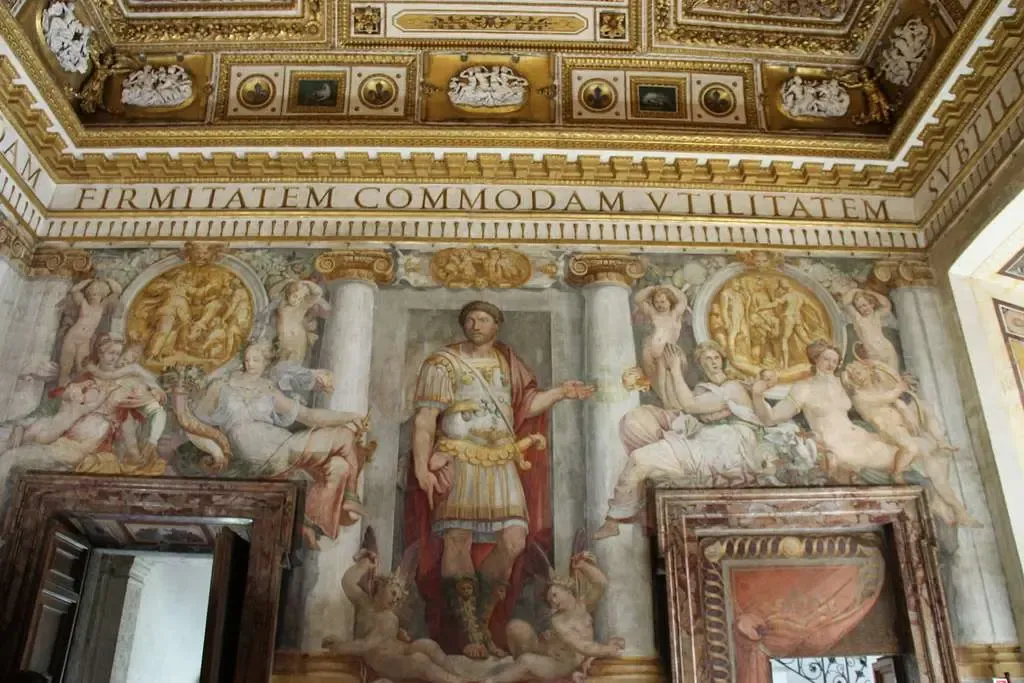
These Facts about Castel Sant'Angelo reveal the symbolic legacy and artistic treasures that define the identity of the fortress. From the legendary origins of the angelic figure to the lavish interiors of the papal apartments, the monument remains a global cultural icon. The masterpieces housed within its walls and the building's presence in modern media illustrate a transition from an imperial tomb to a center of artistic and historical power:
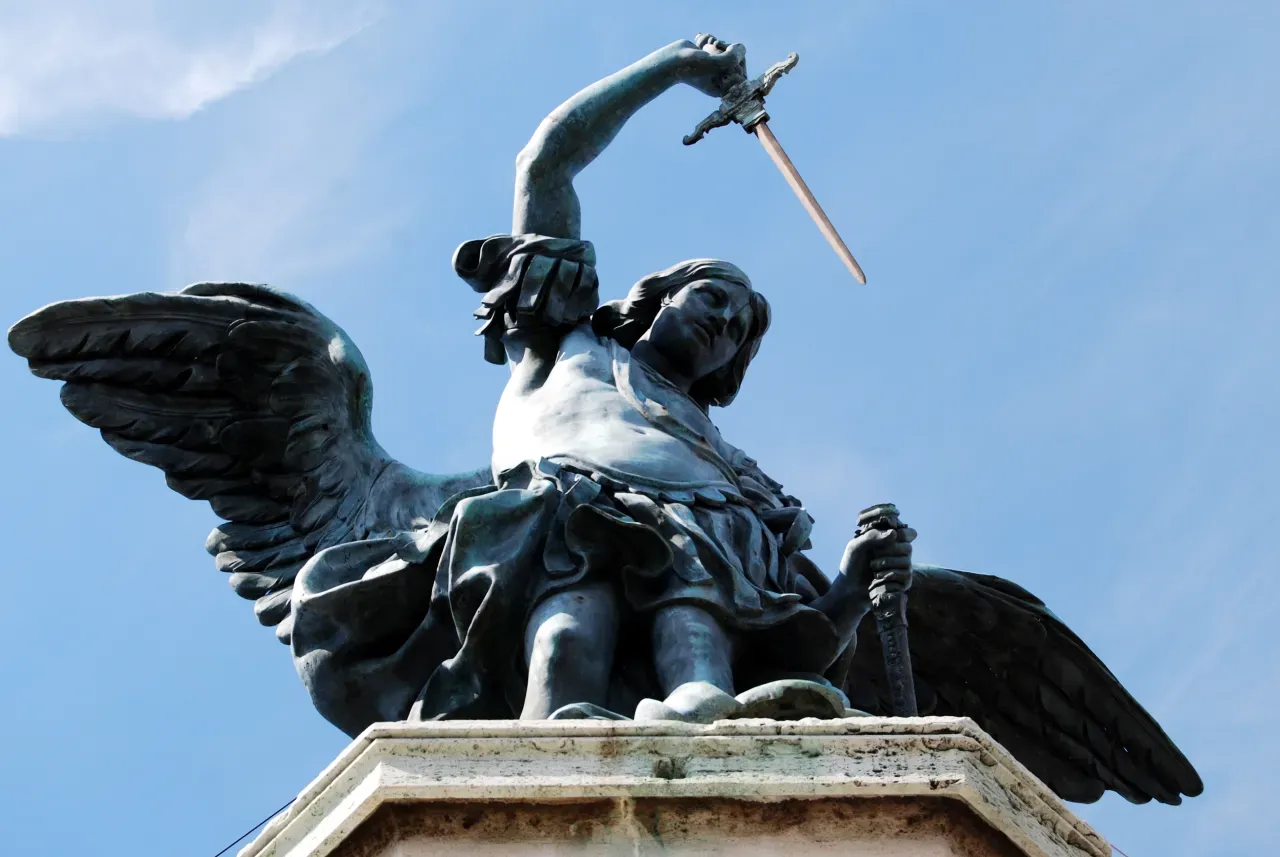
The legend behind the angel statue
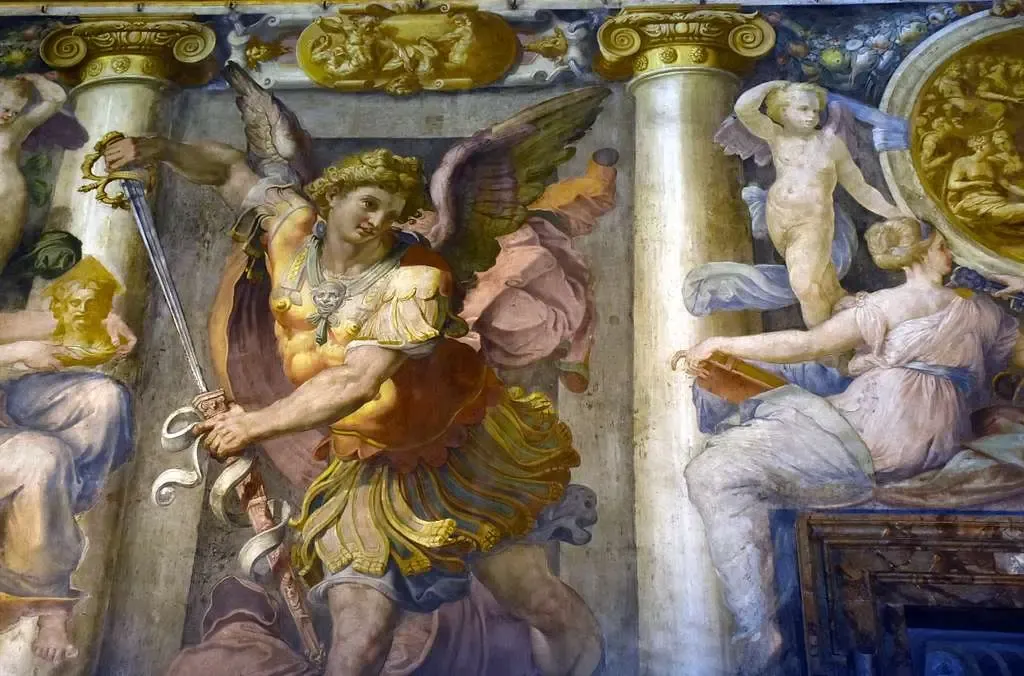
The castle derives its current name from a vision reported by Pope Gregory the Great in 590 AD. During a devastating plague in Rome, the Pope led a penitential procession toward the building. He allegedly witnessed the Archangel Michael appearing atop the mausoleum, sheathing a flaming sword to signal the end of the epidemic.
To commemorate this divine intervention, a chapel and later a statue of the angel were placed on the summit. The current bronze figure, crafted by Peter Anton von Verschaffelt in 1753, depicts the angel in the act of ending the pestilence, serving as a permanent reminder of the site's spiritual significance.