
What is inside Castel Sant'Angelo?
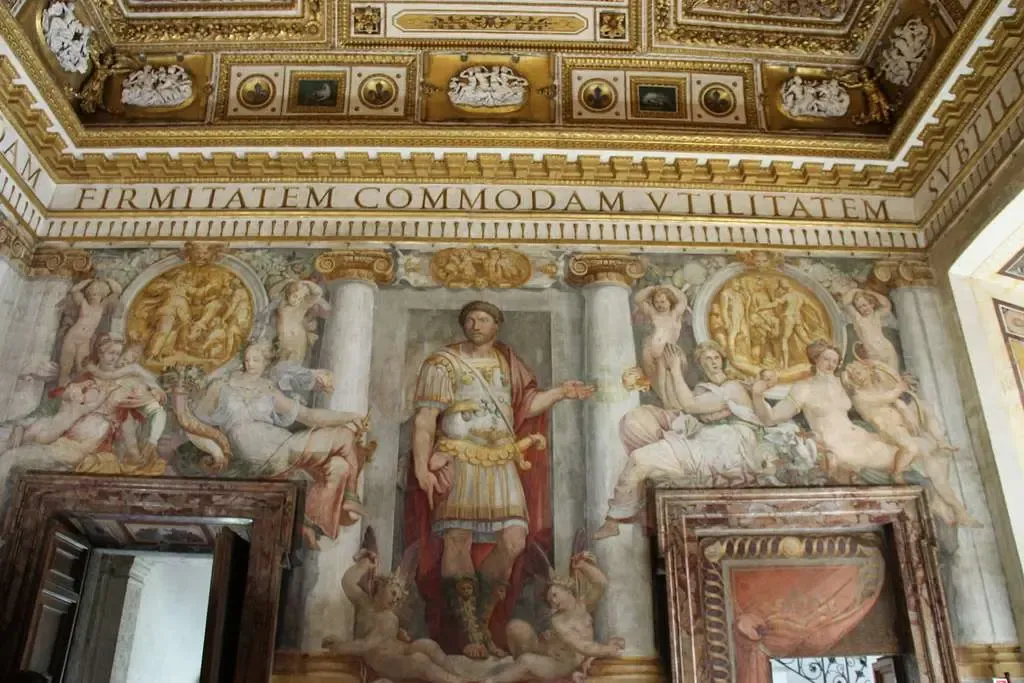
The interior of Castel Sant'Angelo contains a vertical sequence of architectural layers spanning from the Roman era to the Renaissance. The structure transitions from an imperial mausoleum into a fortified castle, eventually housing papal apartments and a national museum. Each level preserves specific artifacts, frescoes, and structural elements that reflect its shifting roles as a tomb, prison, and residence.
Support when you need it
Customer support to help you with everything you need from 8:00 to 18:00.
Fast and online booking
Select your ticket for your needs and preferences and avoid the lines booking here.
Top Attraction in Rome
Ascent through the fortress levels to observe the architectural history and the evolution of the city.
What are the interior levels of Castel Sant'Angelo?
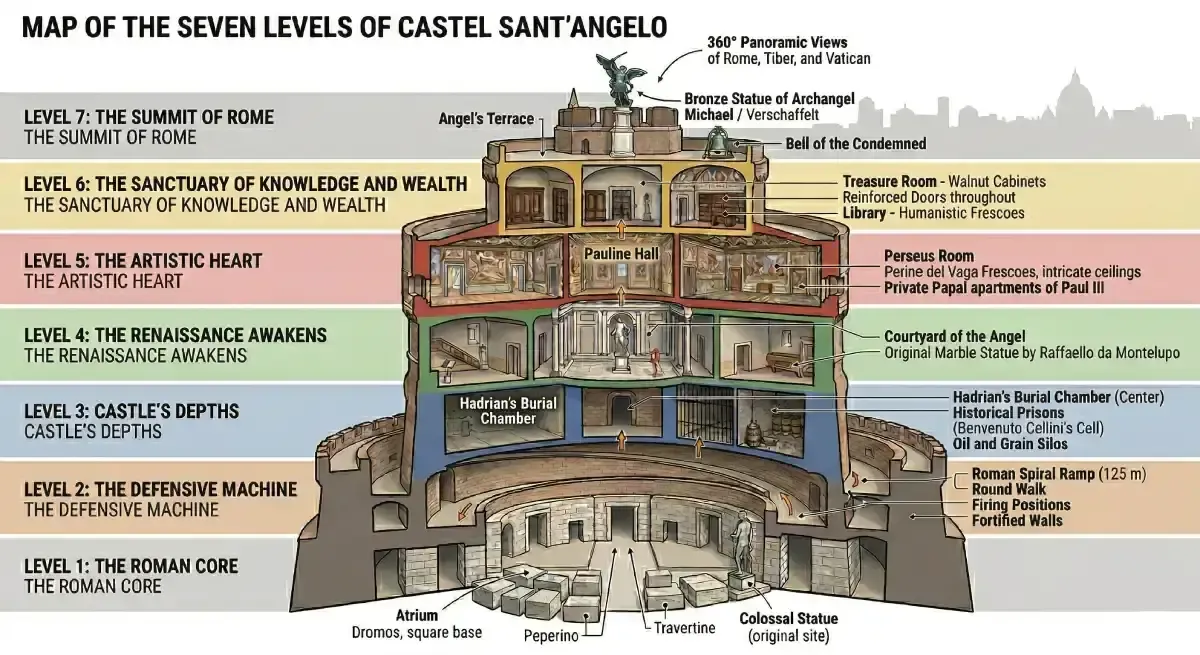
The monument consists of seven levels accessible via ancient ramps and staircases. These tiers organize the history of the site into functional zones, moving from the Roman foundations to the eighteenth-century terrace:
Level 1: The Roman Core
Level 1: The Roman Core
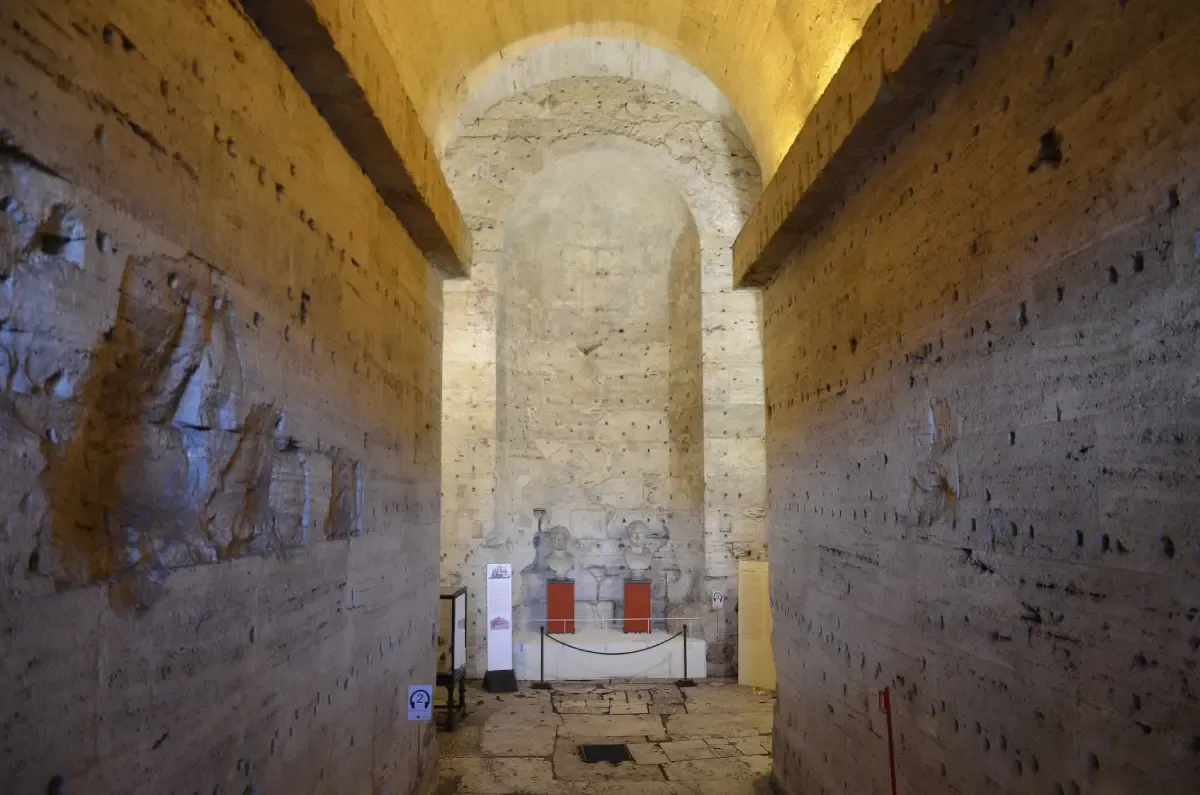
The first level contains the original foundations of Emperor Hadrian’s mausoleum, dating to 139 AD. Visitors enter through the Dromos, a monumental hallway leading to the square base of the structure. This level features the massive Peperino and Travertine blocks used in Roman engineering to support the cylindrical tower.
The primary feature is the Atrium, a large entrance hall where a colossal statue of the Emperor once stood. This area serves as the structural anchor for the entire complex and demonstrates the transition from a private funerary monument to a public defensive bastion. It represents the oldest architectural layer, providing the physical base for all subsequent medieval and Renaissance modifications to the fortress.
Photo: “Mausoleum of Hadrian, Rome” by Carole Raddato.
Level 2: The Defensive Machine
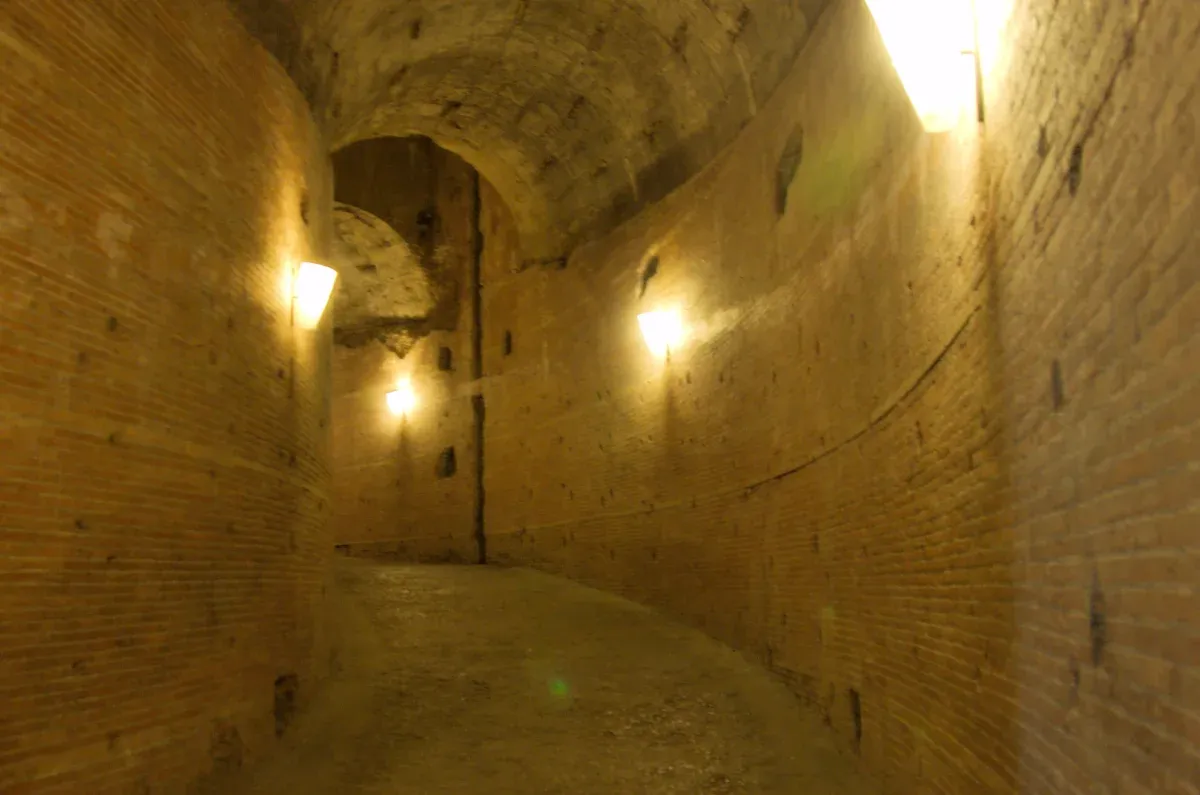
This level encompasses the external fortifications and the internal Roman Spiral Ramp circling the core of the building. The ramp, measuring 125 meters in length, allowed funeral processions to reach the burial chamber in antiquity. During the medieval period, the administration added defensive structures, including the Marcia Ronda, a panoramic walkway used by guards.
Visitors observe the thick walls and Firing Positions designed for archers and later for cannons. This tier represents the military transformation of the site, showing how the original Roman architecture was adapted to withstand sieges along the Tiber River. It bridges the gap between the ancient tomb and the fortified stronghold used by the papacy for centuries.
Photo: “Castel Sant'Angelo ramp” by MatthiasKabel.
Level 3: Castle's Depths
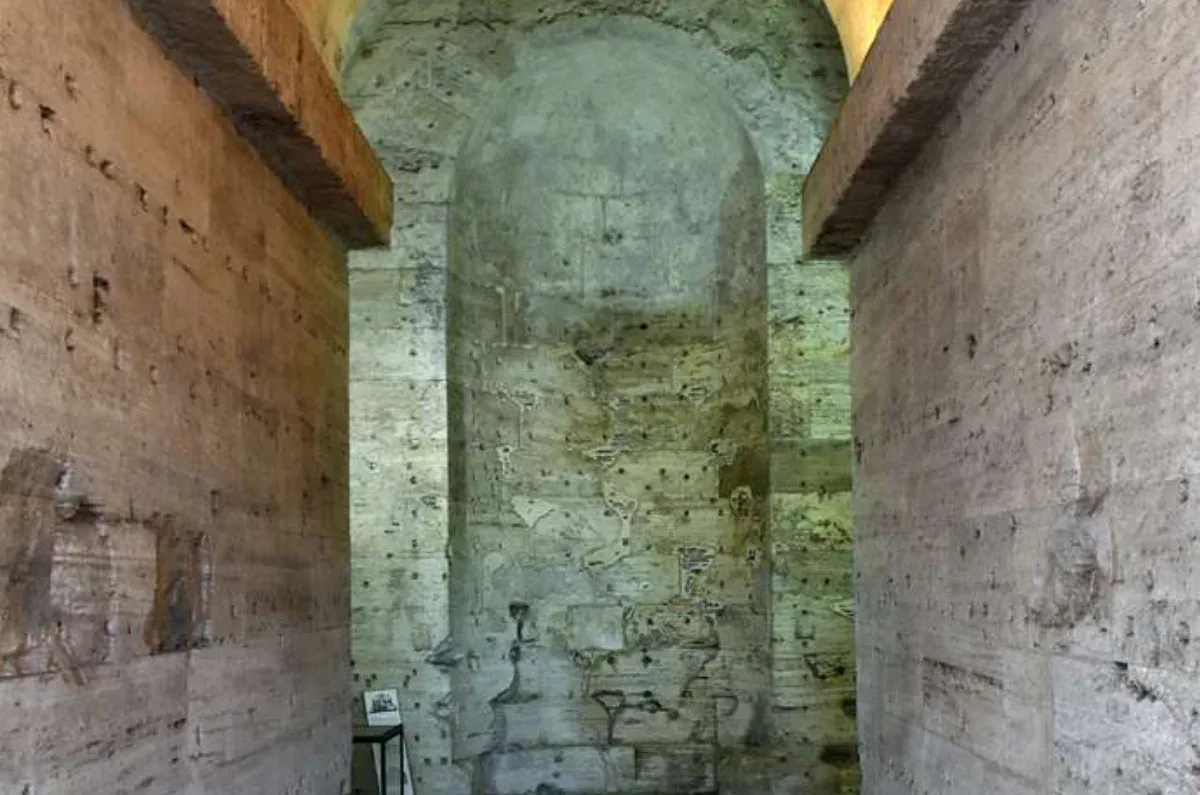
Level 3: Castle's Depths
The third level houses the Funerary Chamber of Hadrian, located in the exact center of the cylindrical masonry. This vaulted room originally held the golden urns containing the ashes of the imperial family. Surrounding this space are the Historical Prisons, where notable figures such as Benvenuto Cellini were held during the Renaissance.
This level also includes the Oil and Grain Silos, which were essential for sustaining the occupants during long periods of isolation or siege. These depths highlight the dual nature of the castle as both a resting place for the dead and a secure dungeon. The cold, stone environment contrasts sharply with the decorated apartments found on the higher floors of the monument.
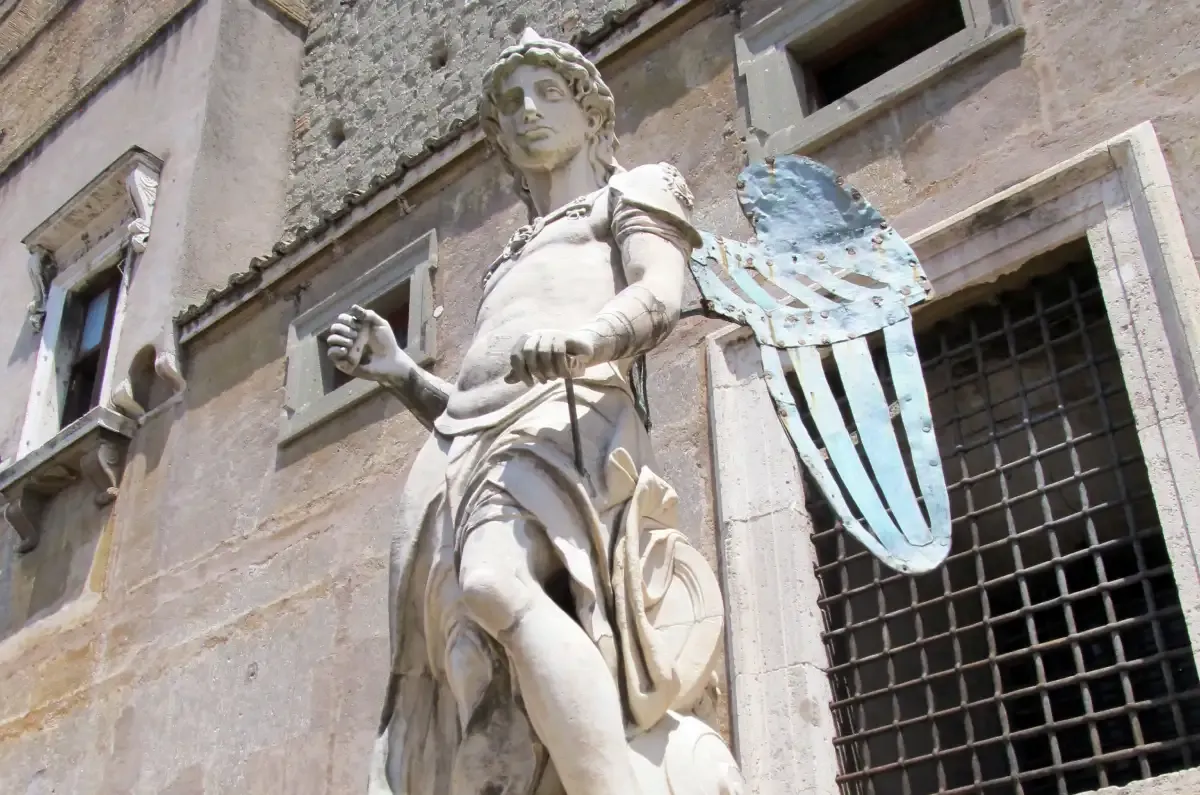
Level 4: The Renaissance Awakens
This level marks the beginning of the papal influence on the interior, featuring the Courtyard of the Angel. The space is named after the 16th-century Marble Statue of the Archangel Michael by Raffaello da Montelupo, which previously stood on the summit. This courtyard serves as a hub for the upper floors, surrounded by rooms that transitioned from military quarters to administrative offices.
The architecture shifts from heavy stone to refined brickwork and decorative elements typical of the mid-Renaissance period. It provides a transition point between the lower fortifications and the residential spaces. Visitors often stop here to observe the evolution of the fortress into a more comfortable and aesthetically considered papal residence.
Photo: “Raffaello da Montelupo Angel” by Jacopo Werther.
Level 5: The Artistic Heart
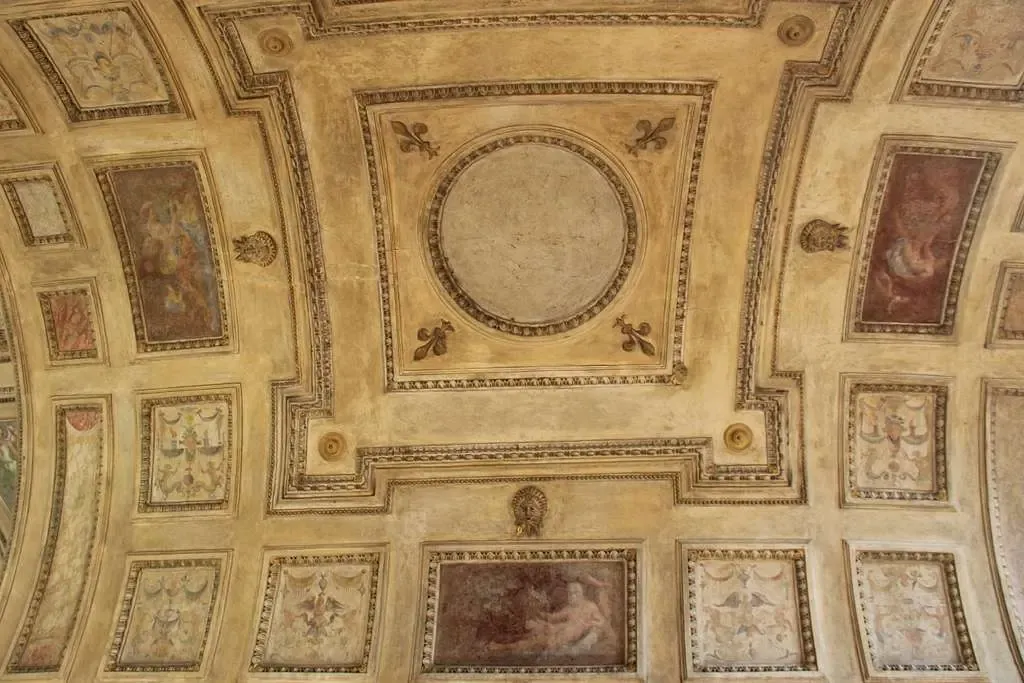
Level 5: The Artistic Heart
The fifth level contains the most significant interior spaces of the monument, including the Sala Paolina and the Perseus Room. These halls served as the private apartments of Pope Paul III and feature extensive Fresco Cycles executed by Perin del Vaga. The intricate ceiling designs, gold leaf accents, and mythological depictions demonstrate the cultural position of the Papacy during the 16th century.
This level represents the transformation of the building into a palace, where the defensive exterior contains an environment of art and diplomacy. It remains a primary destination for those interested in Mannerist painting and Roman interior design, showcasing the wealth and sophistication of the Renaissance popes within a fortress.
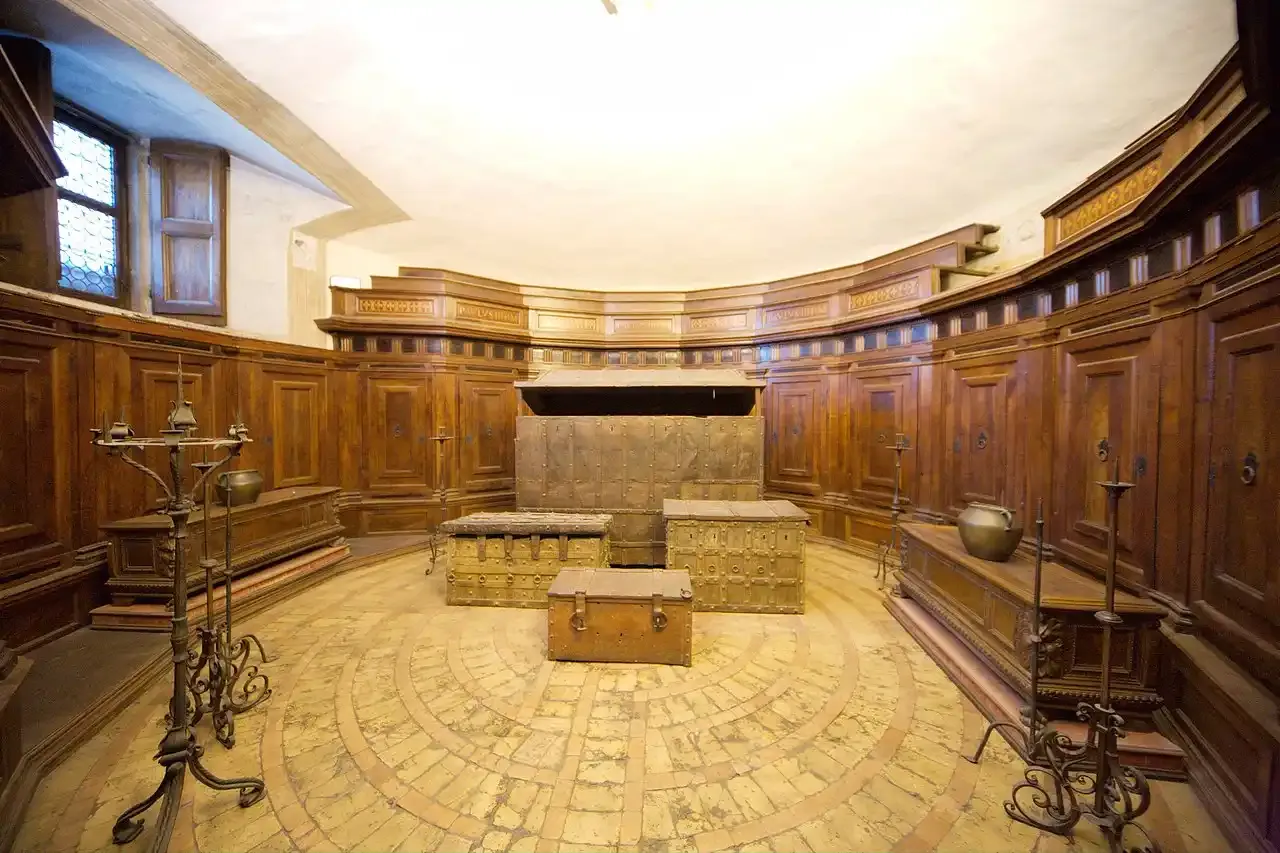
Level 6: The Sanctuary of Knowledge and Wealth
This level houses the Treasury Room and the Historical Archive, which functioned as secure storage for the Papal State's assets and documents. The Treasury Room features large Walnut Cabinets that once held the Church's gold and jewels, protected by reinforced doors within the fortress walls. Adjacent to these areas is the Library, decorated with frescoes emphasizing humanistic learning and law.
This tier reflects the administrative and financial functions of the castle, serving as a high-security vault for the Church during periods of political instability. The combination of scholarly space and financial security illustrates the complex role of the papacy as both a spiritual and temporal power in Rome.
Photo: “Castel Sant'Angelo room with treasure chests” by MatthiasKabel.
Level 7: The Summit of Rome
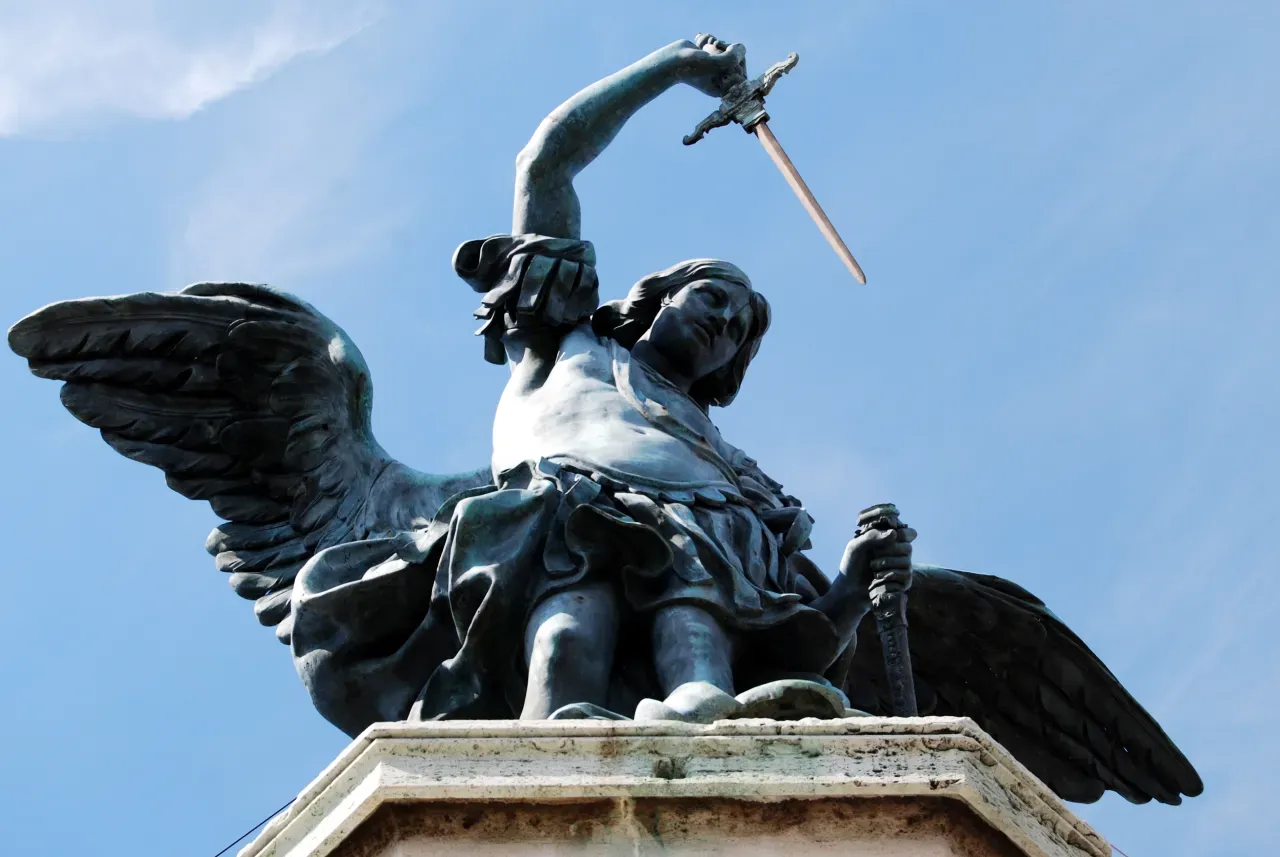
Level 7: The Summit of Rome
The final level consists of the Angel’s Terrace, a large platform situated beneath the Bronze Statue of the Archangel Michael by Peter Anton von Verschaffelt. This area provides an unobstructed 360-degree view of the city, including the Vatican, the Tiber, and the historic center.
The terrace also contains the Bell of the Condemned, which was rung during executions held within the castle grounds. This summit is the most visited part of the monument, as it offers the highest vantage point in the immediate vicinity of the Borgo district. It represents the final transformation of the site from an imperial tomb into a monumental symbol of Roman power and panoramic beauty.
Must-sees inside Castel Sant'Angelo
The interior of Castel Sant'Angelo contains specific architectural and artistic highlights that define the transition from an ancient tomb to a papal stronghold. These primary points of interest showcase the engineering of the Roman Empire and the aesthetic refinement of the Renaissance:
- The Roman Spiral Ramp: An intact 2nd-century corridor winding through the structure.
- Sala Paolina: A room featuring Renaissance frescoes and trompe l'oeil architecture.
- The Papal Apartments: Rooms decorated for popes including Clement VII and Paul III.
- The Courtyard of the Angel: The central plaza housing the 1544 marble angel statue.
- Hadrian’s Funerary Chamber: The core where Roman emperors were interred.
- The Terrace of the Angel: The highest point offering views and the bronze angel statue.
- The Passetto di Borgo: The elevated corridor connecting the castle to the Vatican.
Is it worth going inside Castel Sant'Angelo?
Exploring the interior of Castel Sant'Angelo is necessary to observe the evolution of Rome's urban and political history. While the exterior provides a photographic opportunity, the inner chambers contain a vertical museum preserving Roman masonry and Renaissance art. The ticket provides access to the upper terraces, which offer views of St. Peter’s Basilica not visible from the street level. Furthermore, the fortress is the only monument in Rome that allows visitors to walk through a Roman tomb, a medieval prison, and a papal palace within a single building.